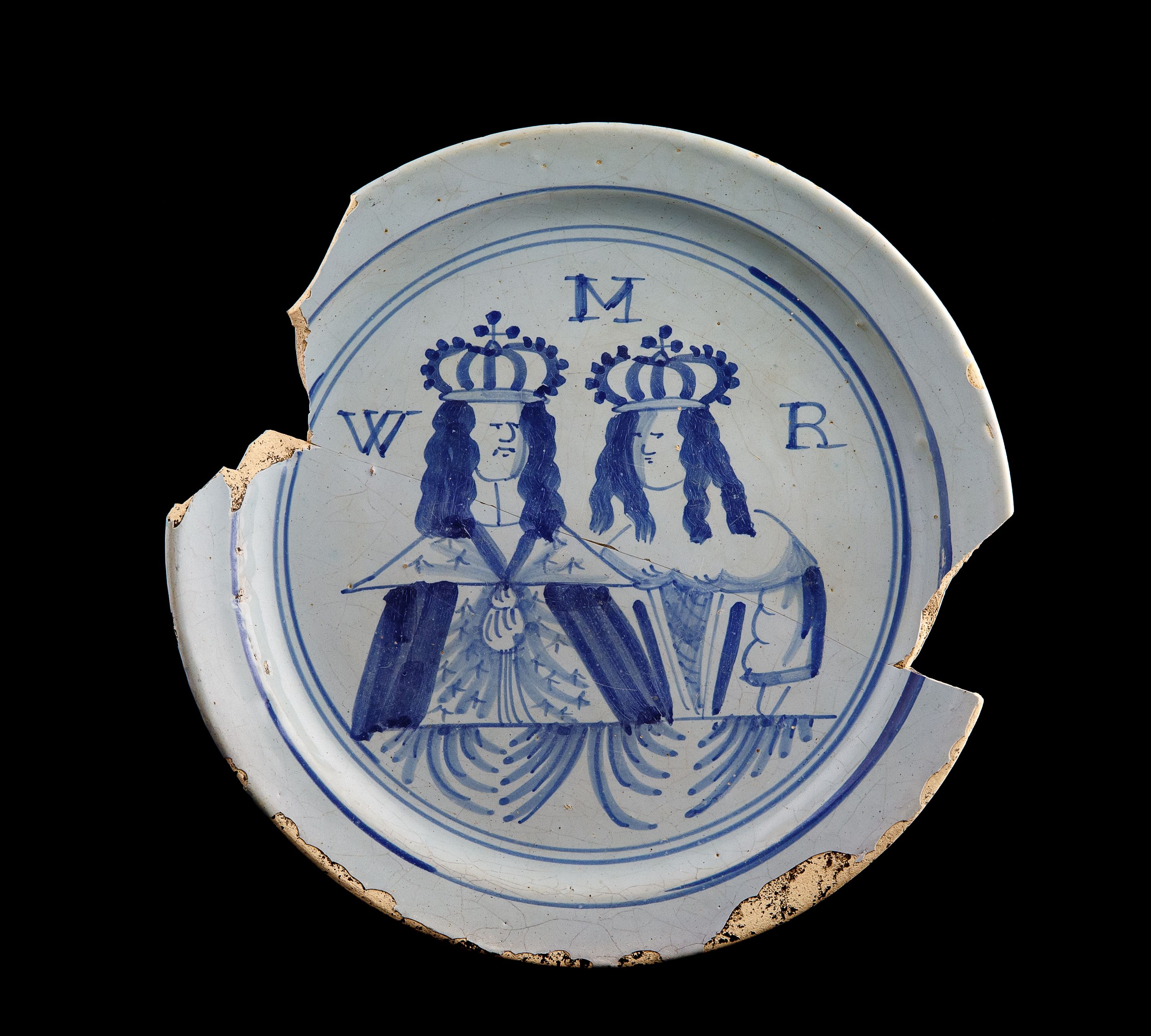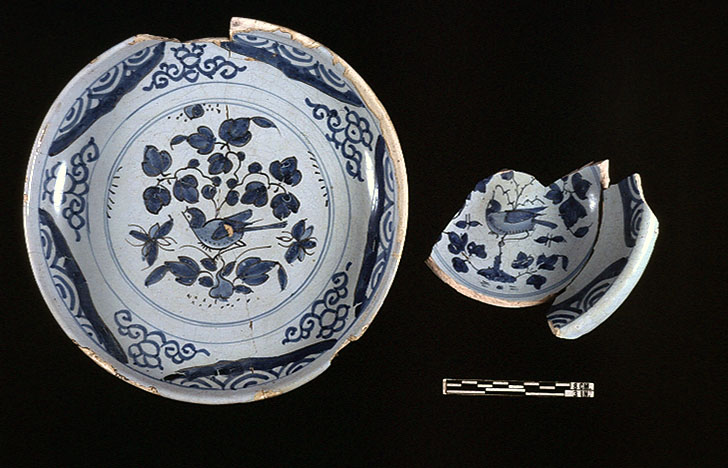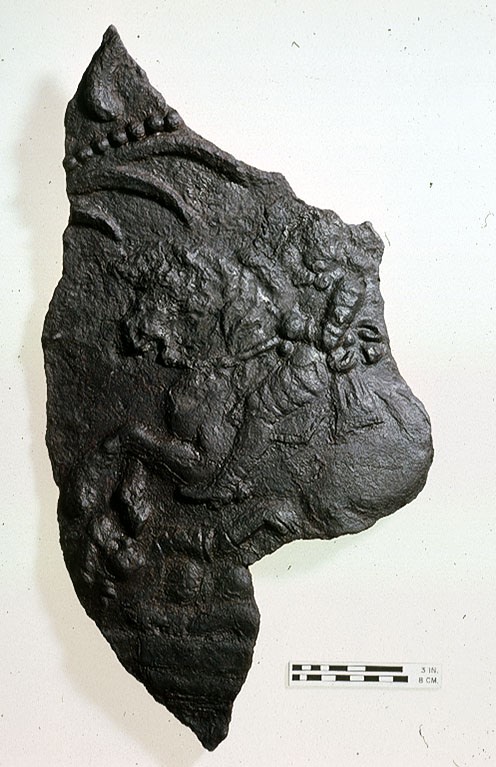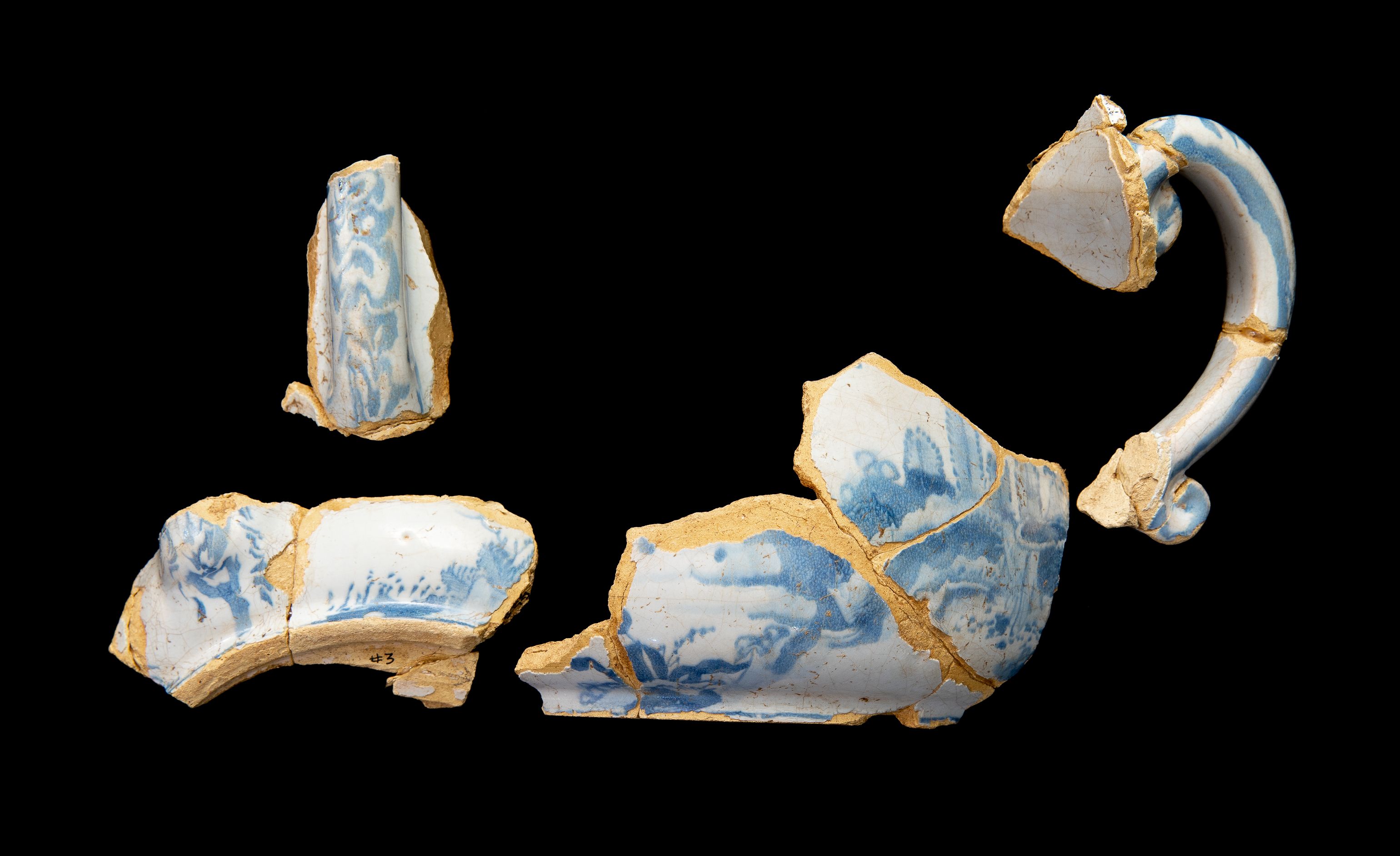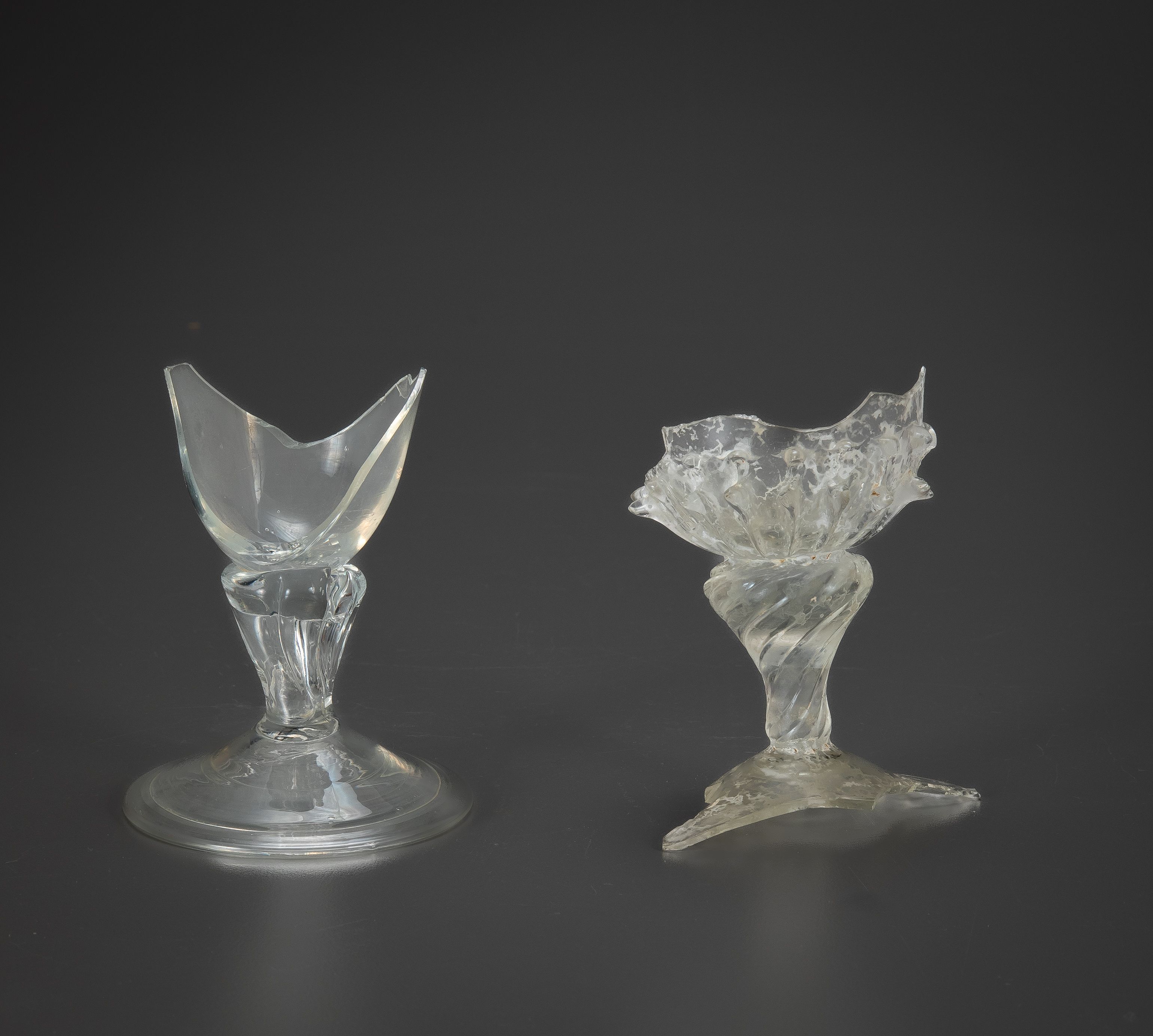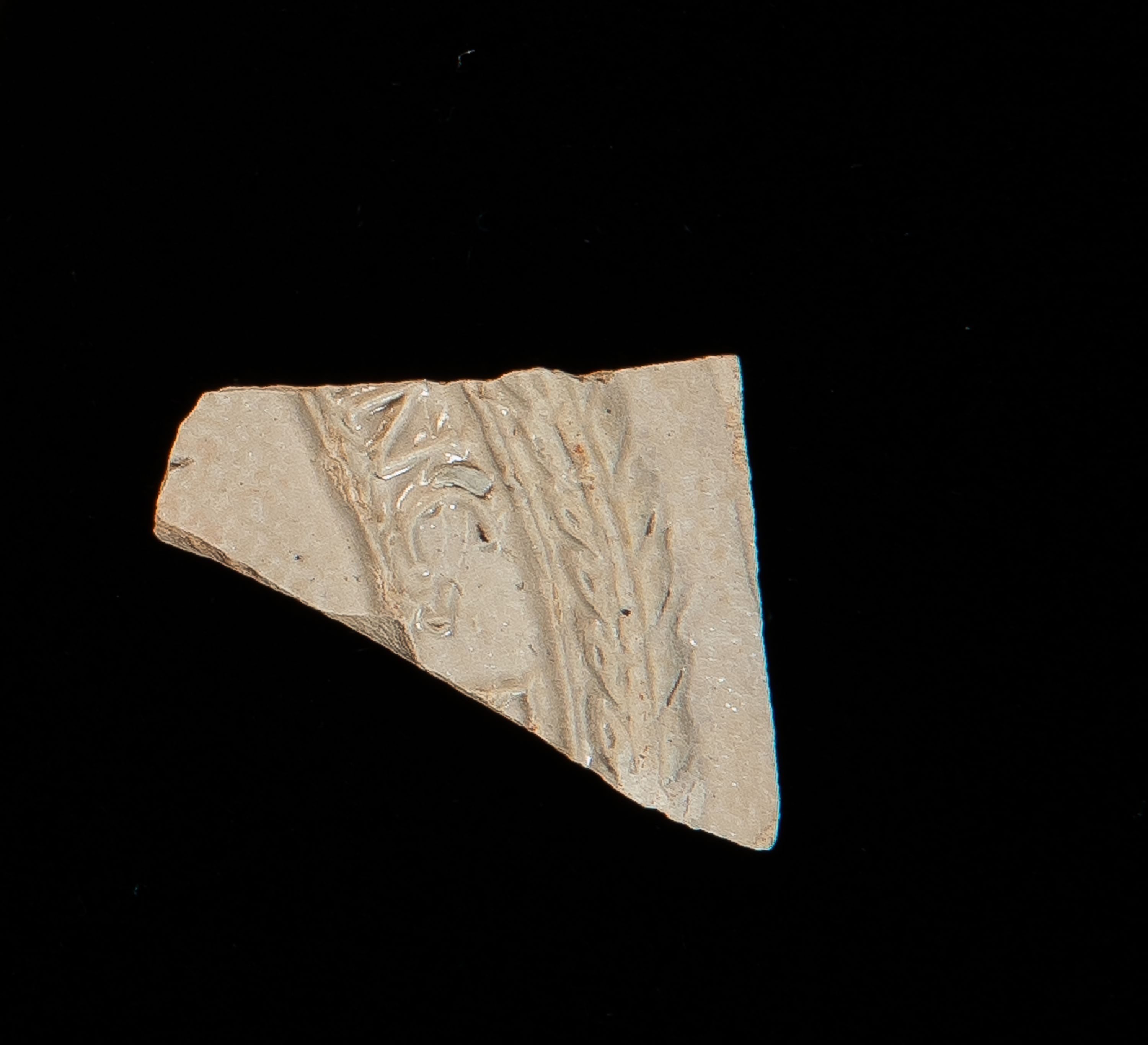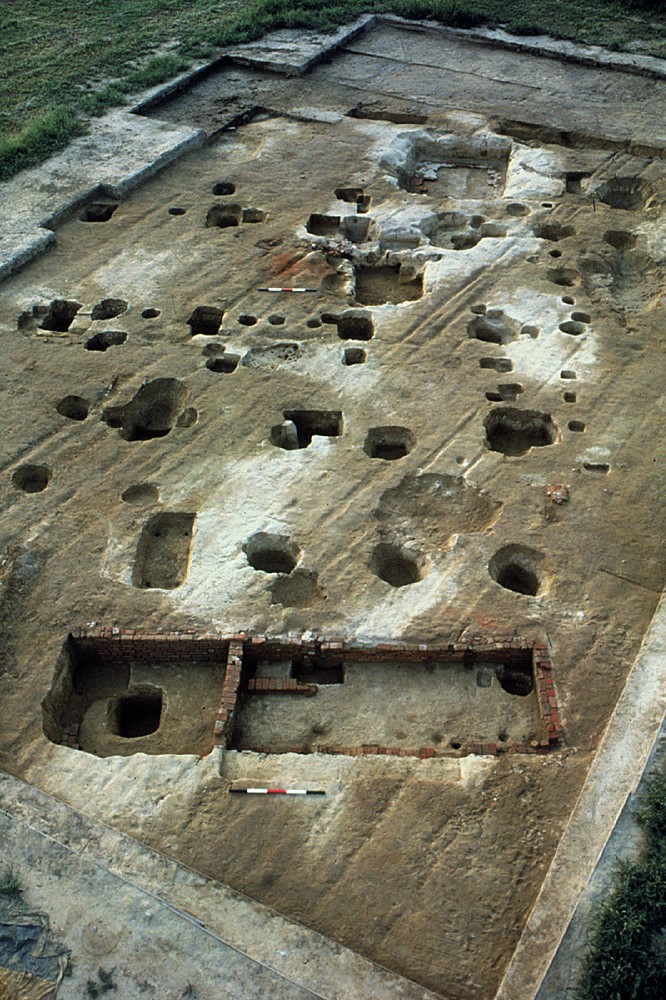
The William Drummond Site contains evidence spanning more than 160 years of occupation and landscape change.
Research completed for this publication will document:
• Evolution of the plantation homelot and surrounding landscape from 1648 through 1810
• Seven archaeological wells preserving thousands of artifacts and environmental remains
• An eighteenth-century ice house
• Fence lines, property boundaries, and changing land use
• A seventeenth-century blacksmithing complex
• A locally operated tobacco pipe-making area
• Evidence of domestic life, trade, dining, and consumption
• Possible enslaved domestic quarters and labor areas
• Thousands of artifacts illuminating daily life across multiple generations
• The political and social world of the Drummond family and their descendants
This publication will provide the first comprehensive synthesis of one of Virginia’s most important archaeological sites.
What Your Support Will Accomplish
Funding will support:
• Historical and genealogical research
• Preparation of detailed archaeological site plans
• Artifact photography and illustration
• Specialist analyses
• Production of maps and landscape reconstructions
• Writing, editing, and peer review
• Publication design and preparation
• Long-term preservation and accessibility of the research
Without this effort, decades of excavation and analysis risk remaining scattered among reports, field notes, databases, and unpublished records.